

Introduction
High blood pressure is one of the most common health conditions worldwide, yet many people do not realize they have it. The condition often develops without noticeable warning signs and can silently damage the heart, blood vessels, kidneys, brain, and other organs over time.
Also known as hypertension, high blood pressure occurs when the force of blood pushing against the walls of the arteries remains consistently higher than normal. According to the World Health Organization (WHO), an estimated 1.4 billion adults aged 30–79 worldwide had hypertension in 2024, and many people were unaware of their condition.
The danger of high blood pressure is not limited to the numbers shown on a blood pressure monitor. If left uncontrolled, it can significantly increase the risk of heart disease, heart attack, stroke, kidney disease, and other serious health complications.
Understanding high blood pressure symptoms, causes, risk factors, diagnosis, treatment options, and prevention strategies can help people recognize potential risks and take practical steps toward protecting their long-term health.
Symptoms of High Blood Pressure
High blood pressure is commonly called a “silent killer” because most people with hypertension do not experience noticeable symptoms.
A person may live with elevated blood pressure for several years without realizing that damage is occurring inside the body. This is why regular blood pressure checks are essential, particularly for adults and people with additional risk factors.
When blood pressure becomes severely elevated, some people may experience symptoms such as:
- Severe headaches
- Blurred vision or other vision changes
- Chest pain
- Shortness of breath
- Dizziness
- Nausea or vomiting
- Confusion
- Nosebleeds
- Unusual anxiety
- Abnormal heart rhythm
These symptoms are not reliable methods for diagnosing hypertension because they may occur due to many other health conditions.
Extremely high blood pressure accompanied by symptoms such as chest pain, difficulty breathing, weakness, confusion, or vision changes may require immediate medical attention.
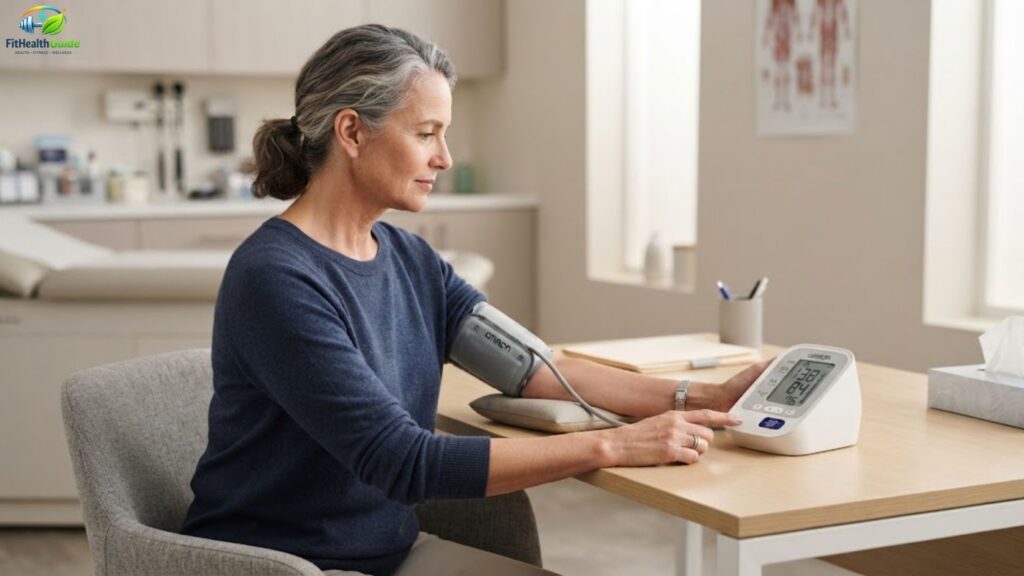
The most reliable way to identify high blood pressure is through regular blood pressure measurement.
Causes of High Blood Pressure
The causes of high blood pressure vary depending on the type of hypertension a person develops.
Primary Hypertension
Primary hypertension, also known as essential hypertension, is the most common type of high blood pressure.
There is usually no single identifiable cause. Instead, blood pressure gradually increases over time due to a combination of genetic factors, aging, lifestyle habits, diet, and environmental influences.
Factors that may contribute to primary hypertension include:
- Excessive sodium consumption
- Physical inactivity
- Being overweight or obese
- Long-term stress
- Excessive alcohol consumption
- Tobacco use
- Family history of hypertension
- Age-related changes in blood vessels
Secondary Hypertension
Secondary hypertension develops because of another medical condition or medication.
Possible causes include:
- Kidney disease
- Obstructive sleep apnea
- Thyroid disorders
- Adrenal gland disorders
- Certain congenital blood vessel conditions
- Some prescription medications
- Certain over-the-counter medicines
- Illegal stimulant drugs
Secondary hypertension may appear suddenly and can sometimes cause higher blood pressure levels than primary hypertension.
Identifying and treating the underlying cause may help improve blood pressure control.
Risk Factors for High Blood Pressure
Several factors can increase a person’s likelihood of developing high blood pressure.
Age
The risk of hypertension increases as people grow older because arteries naturally become less flexible over time.
Family History
People with close family members who have hypertension may have a higher risk of developing the condition.
Being Overweight or Obese
Excess body weight requires the heart to work harder to supply oxygen and nutrients throughout the body.
High-Sodium Diet
Consuming excessive amounts of sodium can cause the body to retain fluid, which may increase blood pressure.
Physical Inactivity
A sedentary lifestyle can contribute to weight gain, poor cardiovascular health, and increased hypertension risk.
Tobacco Use
Smoking and tobacco exposure can temporarily raise blood pressure and damage artery walls.
Excessive Alcohol Consumption
Regularly consuming large amounts of alcohol may contribute to increased blood pressure.
Chronic Stress
Long-term stress may influence behaviors and hormonal responses that contribute to elevated blood pressure.
Certain Medical Conditions
Diabetes, chronic kidney disease, and sleep apnea are among the health conditions associated with an increased risk of hypertension.
Having one or more risk factors does not necessarily mean that a person will develop hypertension. However, understanding these factors can encourage earlier screening and healthier lifestyle decisions.
Diagnosis of High Blood Pressure
High blood pressure is diagnosed by measuring the pressure of blood inside the arteries.
Blood pressure readings contain two numbers.
Systolic blood pressure is the upper number and measures the pressure in the arteries when the heart contracts.
Diastolic blood pressure is the lower number and measures the pressure in the arteries when the heart rests between beats.
A single elevated blood pressure reading does not always mean that a person has hypertension. Healthcare professionals usually confirm the diagnosis using repeated measurements taken during separate medical visits or through blood pressure monitoring outside the clinic.
Additional tests may be recommended to identify possible causes of hypertension or check whether high blood pressure has affected other organs.
These tests may include:
- Blood tests
- Urine tests
- Kidney function tests
- Cholesterol testing
- Blood glucose testing
- Electrocardiogram (ECG or EKG)
- Echocardiogram
- Ambulatory blood pressure monitoring
Accurate diagnosis allows healthcare professionals to determine an appropriate treatment and monitoring plan.
Treatment of High Blood Pressure
Treatment for high blood pressure usually includes lifestyle modifications, medications, or a combination of both.
The appropriate treatment depends on blood pressure levels, age, overall health, existing medical conditions, and cardiovascular risk.
Lifestyle Changes
Healthy lifestyle habits play an important role in controlling blood pressure.
Recommended changes may include:
- Reducing sodium intake
- Eating a balanced and heart-healthy diet
- Exercising regularly
- Maintaining a healthy body weight
- Limiting alcohol consumption
- Avoiding smoking and tobacco products
- Managing stress
- Getting adequate sleep
Blood Pressure Medications
When lifestyle changes are not enough, healthcare professionals may prescribe medications.
Common types of blood pressure medicines include:
- Diuretics
- Angiotensin-converting enzyme (ACE) inhibitors
- Angiotensin II receptor blockers (ARBs)
- Calcium channel blockers
- Beta-blockers
- Other medications depending on individual health conditions
Some people may need more than one medication to control their blood pressure effectively.
Blood pressure medications should be taken exactly as prescribed. Patients should not stop taking medication or change their dosage without consulting a qualified healthcare professional.
Prevention of High Blood Pressure
Many cases of high blood pressure can be prevented or better controlled through healthy lifestyle habits.
Practical prevention strategies include:
Maintain a Healthy Weight
Achieving and maintaining a healthy body weight can reduce the workload on the heart and support healthier blood pressure.
Exercise Regularly
Adults should aim to include regular aerobic activity such as walking, cycling, swimming, or other moderate-intensity exercises in their weekly routine.
Reduce Sodium Intake
Limiting highly processed foods and reducing added salt can help lower sodium consumption.
Follow a Heart-Healthy Diet
Eating fruits, vegetables, whole grains, legumes, nuts, and other nutrient-rich foods supports cardiovascular health.
Avoid Tobacco
Avoiding smoking and tobacco products helps protect blood vessels and reduces cardiovascular disease risk.
Limit Alcohol Consumption
Reducing alcohol intake can help prevent alcohol-related increases in blood pressure.
Manage Stress
Relaxation techniques, regular exercise, adequate sleep, mindfulness practices, and healthy social connections may help manage long-term stress.
Check Blood Pressure Regularly
Regular blood pressure screening can identify elevated readings before serious complications develop.
People with hypertension may also benefit from monitoring their blood pressure at home according to their healthcare provider’s recommendations.

Foods to Eat for High Blood Pressure
A balanced diet can play an important role in managing and preventing hypertension.
The Dietary Approaches to Stop Hypertension (DASH) eating plan is commonly recommended to support healthier blood pressure.
Helpful foods include:
Fruits
Bananas, oranges, berries, apples, and other fruits provide fiber, vitamins, minerals, and beneficial plant compounds.
Vegetables
Leafy greens, broccoli, carrots, tomatoes, and other vegetables support overall cardiovascular health.
Whole Grains
Oats, brown rice, whole-grain bread, barley, and quinoa provide fiber and important nutrients.
Beans and Legumes
Lentils, chickpeas, kidney beans, and other legumes provide plant-based protein, fiber, and minerals.
Nuts and Seeds
Unsalted almonds, walnuts, flaxseeds, and other nuts and seeds can be included in moderate portions.
Low-Fat Dairy Products
Low-fat milk, yogurt, and other dairy products can provide calcium and protein.
Fish
Fish, particularly varieties containing omega-3 fatty acids, can be part of a heart-healthy eating pattern.
Choosing fresh and minimally processed foods can also help reduce sodium intake.
Foods to Avoid with High Blood Pressure
Certain foods can contribute to excessive sodium intake, weight gain, and poor cardiovascular health.
People trying to prevent or manage hypertension should limit:
- Highly salted packaged foods
- Processed meats such as bacon, sausages, and deli meats
- Instant noodles and packaged soups
- Fast food
- Salty snacks
- Pickles and foods containing excessive added salt
- High-sodium sauces and condiments
- Foods high in saturated fats
- Foods containing trans fats
- Sugary drinks
- Excessive sweets and desserts
- Excessive alcohol consumption
Reading nutrition labels can help people identify products containing large amounts of sodium, added sugars, and unhealthy fats.
Frequently Asked Questions
1. What are the first signs of high blood pressure?
Most people with high blood pressure do not experience early warning signs. The condition is often discovered during routine blood pressure screening. Severe hypertension may sometimes cause headaches, vision problems, chest pain, or difficulty breathing.
2. What causes high blood pressure?
High blood pressure can develop due to genetics, aging, excessive sodium consumption, obesity, physical inactivity, tobacco use, excessive alcohol consumption, stress, and certain medical conditions.
3. Can high blood pressure be cured?
Primary hypertension usually requires long-term management rather than a permanent cure. However, healthy lifestyle changes and appropriate medications can effectively control blood pressure and reduce the risk of complications.
Secondary hypertension may improve when the underlying medical cause is successfully treated.
4. What is considered a normal blood pressure reading?
Blood pressure categories may vary slightly depending on clinical guidelines and individual health conditions. In general, a blood pressure reading below 120/80 mm Hg is considered normal for most adults according to commonly used U.S. clinical guidelines.
A healthcare professional can determine an appropriate blood pressure target based on a person’s age, health conditions, and cardiovascular risk.
5. What foods can help lower blood pressure?
Fruits, vegetables, whole grains, legumes, unsalted nuts, seeds, low-fat dairy products, and fish can support healthy blood pressure when included as part of a balanced eating pattern such as the DASH diet.
6. Can stress cause high blood pressure?
Stress can temporarily increase blood pressure. Long-term stress may also contribute indirectly to hypertension by encouraging unhealthy behaviors such as overeating, smoking, excessive alcohol consumption, or physical inactivity.
7. How often should blood pressure be checked?
The appropriate frequency depends on age, previous blood pressure readings, health conditions, and cardiovascular risk factors. Adults with normal blood pressure may be screened during routine healthcare visits, while people with elevated blood pressure or hypertension may require more frequent monitoring.
8. Is walking good for high blood pressure?
Yes. Regular brisk walking and other forms of aerobic physical activity can improve cardiovascular fitness and help lower blood pressure. People with existing medical conditions should consult a healthcare professional before beginning a new exercise program.
Conclusion
High blood pressure is a common but potentially serious health condition that can develop without obvious warning signs. Without proper management, hypertension can increase the risk of heart attack, stroke, kidney disease, and other health complications.
Regular blood pressure screening remains one of the most effective ways to detect hypertension early.
Maintaining a healthy weight, exercising regularly, reducing sodium intake, following a balanced diet, avoiding tobacco, limiting alcohol consumption, managing stress, and taking prescribed medications can help prevent or control high blood pressure.
Understanding the symptoms, causes, risk factors, diagnosis, treatment, and prevention of high blood pressure empowers individuals to make informed decisions about their cardiovascular health.
Anyone concerned about their blood pressure readings or experiencing symptoms associated with severely elevated blood pressure should seek advice from a qualified healthcare professional.