
Introduction
Occasional worry is a normal part of life; however, when anxiety becomes constant, overwhelming, or disruptive, it may be signaling something more serious. Understanding the signs of anxiety you should never ignore can make the difference between catching a problem early and letting it quietly take over daily life. According to the National Institute of Mental Health, about a third of U.S. adults and adolescents experience an anxiety disorder at some point in their lives, yet many people dismiss early symptoms as “just stress” for far too long.
Because anxiety can show up physically, emotionally, and behaviorally, it isn’t always easy to recognize right away. Some signs of anxiety are subtle, while others are impossible to miss. This article covers the most important warning symptoms, what typically causes them, who’s most at risk, and — just as importantly — what can actually be done about it, from professional treatment to everyday lifestyle changes.
Symptoms
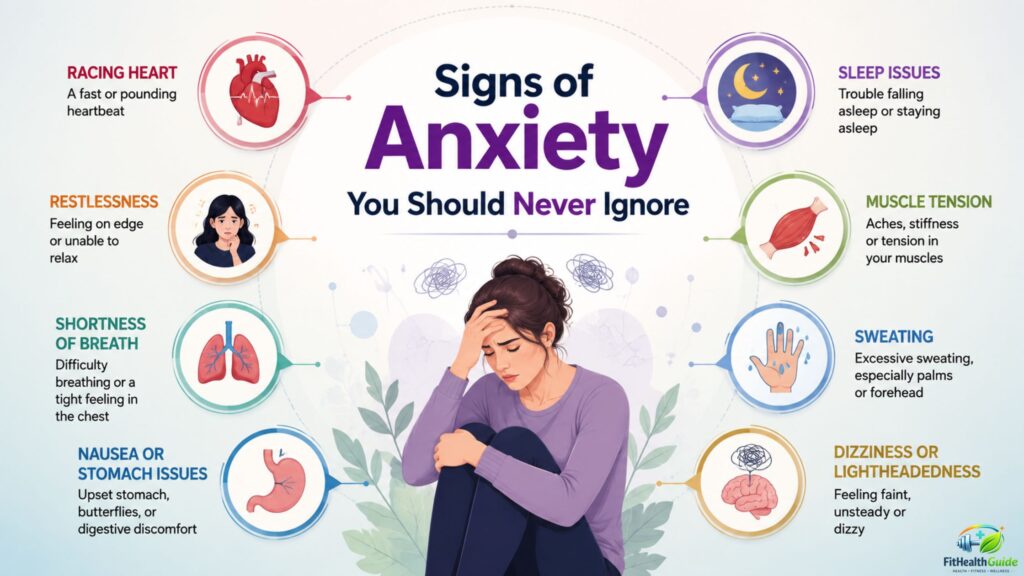
Anxiety doesn’t only live in the mind; it frequently shows up in the body as well. Consequently, many people experience physical symptoms without immediately connecting them to anxiety. The following are among the signs of anxiety you should never ignore:
- Persistent, excessive worry that’s hard to control
- Restlessness or feeling constantly “on edge”
- Rapid heartbeat or a pounding chest
- Shortness of breath or a feeling of tightness in the chest
- Sweating, trembling, or shakiness
- Difficulty concentrating, or the mind suddenly “going blank”
- Sleep disturbances, including trouble falling or staying asleep
- Muscle tension, headaches, or unexplained aches
- Avoidance of certain places, people, or situations
- Digestive issues such as nausea or stomach discomfort
- Irritability or a short temper
- A sense of impending doom, particularly during panic attacks
Although occasional anxiety is normal, Mayo Clinic notes that when these feelings become excessive, difficult to control, or out of proportion to the actual situation, they may point to an anxiety disorder rather than everyday stress.
Causes
Anxiety disorders rarely stem from a single cause. Instead, they typically develop from a combination of biological, psychological, and environmental factors, including:
- Genetics and family history of anxiety or other mental health conditions
- Brain chemistry and differences in how the brain processes fear and stress
- Chronic stress from work, relationships, or major life changes
- Traumatic experiences or significant emotional events
- Underlying medical conditions that mimic or trigger signs of anxiety
- Substance use, including caffeine, alcohol, or certain medications
- Personality traits, such as a tendency toward perfectionism or high sensitivity to stress
Because these factors often overlap, two people can experience very different symptoms even when their underlying causes are similar.
Risk Factors
Certain factors increase the likelihood of developing an anxiety disorder. As a result, some individuals are more vulnerable than others:
- A family history of anxiety or other mental health conditions
- Personal history of trauma or significant childhood stress
- Chronic medical illness or ongoing health concerns
- Other mental health conditions, such as depression
- High levels of ongoing stress, whether at work, school, or home
- Personality traits linked to heightened sensitivity to stress
- Substance use, including excessive caffeine or alcohol intake
While anxiety disorders can affect anyone, symptoms often first appear during childhood, the teenage years, or early adulthood, and may continue if left unaddressed.
Diagnosis
Since signs of anxiety symptoms overlap with several other physical and mental health conditions, proper diagnosis requires a thorough evaluation rather than guesswork. A healthcare provider typically begins by reviewing medical history and asking about specific symptoms, their duration, and how much they interfere with daily life. Physical exams or lab tests may also be used to rule out medical conditions that could be causing or worsening the symptoms. Once other causes are excluded, a psychiatrist, psychologist, or other mental health specialist may conduct a more detailed assessment to determine the type of anxiety disorder present and identify contributing factors. Early diagnosis matters, since untreated anxiety can, over time, interfere with school, work, and relationships.
Treatment
The good news is that anxiety disorders are highly treatable, and most people see meaningful improvement with the right approach. Common treatment options include:
- Psychotherapy, particularly cognitive behavioral therapy (CBT), which helps identify and reframe anxious thought patterns
- Medication, such as antidepressants or anti-anxiety medications, prescribed and monitored by a healthcare provider
- A combination of therapy and medication, which is often more effective than either approach alone for moderate to severe cases
- Lifestyle interventions, including exercise, stress management techniques, and improved sleep habits, which are frequently recommended alongside formal treatment
- Ongoing support, since progress isn’t always linear, and setbacks along the way are a normal part of the process
Although symptoms may not disappear immediately, most people begin to notice improvement once a treatment plan tailored to their needs is put into place.
Prevention
While not every case of anxiety can be prevented, several habits can meaningfully reduce risk and severity:
- Practice regular stress-management techniques, such as deep breathing or mindfulness
- Maintain a consistent sleep schedule, since poor sleep can worsen anxiety symptoms
- Stay physically active, as regular exercise has been shown to ease stress and improve mood
- Limit caffeine and alcohol intake, both of which can intensify anxiety symptoms
- Build a support system of trusted friends or family members
- Address stressors early, rather than letting them accumulate over time
- Seek professional help promptly if symptoms begin interfering with daily life
Foods to Eat
While diet alone won’t cure an anxiety disorder, certain foods can support overall mental well-being and help the body manage stress and signs of anxiety more effectively:
- Fatty fish: Salmon and mackerel, rich in omega-3 fatty acids
- Leafy greens: Spinach and kale, which provide magnesium and folate
- Whole grains: Oats and brown rice, which support stable blood sugar and mood regulation
- Fermented foods: Yogurt and other probiotic-rich foods that support gut health, which is closely linked to mood
- Nuts and seeds: Almonds and pumpkin seeds, good sources of magnesium and zinc
- Berries: Rich in antioxidants that support overall brain health
- Water: Staying well-hydrated supports both physical and cognitive function
Foods to Avoid
Certain dietary habits can work against anxiety management, so it’s worth being mindful of the following:
- Excess caffeine, which can trigger or intensify feelings of restlessness and a racing heart
- Alcohol, which may offer short-term relief but often worsens anxiety over time
- High-sugar foods and drinks, which can cause energy crashes that affect mood
- Highly processed foods, which offer little nutritional support for brain and body function
- Skipping meals, since irregular eating can affect blood sugar and, in turn, mood stability
FAQs
1. What are the earliest signs of anxiety you should never ignore?
Persistent worry that’s hard to control, restlessness, and physical symptoms like a racing heart or trouble sleeping are among the earliest and most important signs to take seriously.
2. How is normal worry different from an anxiety disorder?
Occasional worry is a normal part of life, but when anxiety becomes excessive, difficult to control, and interferes with daily activities, it may indicate an anxiety disorder rather than everyday stress.
3. Can anxiety cause physical symptoms, or is it only emotional?
Anxiety frequently causes physical symptoms, including a rapid heartbeat, sweating, muscle tension, and digestive issues, in addition to emotional symptoms like worry and irritability.
4. When should I see a doctor about anxiety symptoms?
If anxiety symptoms are persistent, difficult to control, or start interfering with work, school, or relationships, it’s a good time to consult a healthcare provider for a proper evaluation.
5. Can lifestyle changes alone treat anxiety?
For mild anxiety, lifestyle changes such as exercise, better sleep, and stress management can help significantly, though moderate to severe anxiety disorders usually benefit most from therapy, medication, or both.
6. Is anxiety hereditary?
Genetics can play a role, and having a family history of anxiety or other mental health conditions does increase the likelihood of developing an anxiety disorder, though it isn’t the only factor involved.
7. What foods can help reduce anxiety symptoms?
Omega-3-rich fish, leafy greens, whole grains, and fermented foods are commonly associated with better mood regulation and overall mental well-being, though they work best alongside professional treatment when needed.
8. Can anxiety go away without treatment?
While mild, situational anxiety often improves once the stressor passes, ongoing anxiety disorders typically require some form of treatment to improve meaningfully and prevent symptoms from worsening over time.
Conclusion
Recognizing the signs of anxiety you should never ignore is the first step toward getting the right support, whether that means lifestyle changes, therapy, medication, or a combination of all three. Anxiety can affect the mind and body in ways that are easy to dismiss individually, but when several symptoms appear together and persist, they deserve attention rather than avoidance. With proper diagnosis and a treatment plan suited to individual needs, most people are able to manage their symptoms effectively and regain a sense of control over daily life.
This article is for informational purposes and isn’t a substitute for professional medical advice. If signs of anxiety are affecting your daily life, please consult a qualified healthcare provider.
References
- National Institute of Mental Health (NIMH) — Anxiety Disorders (nimh.nih.gov)
- National Institute of Mental Health (NIMH) — Generalized Anxiety Disorder: What You Need to Know (nimh.nih.gov)
- Mayo Clinic — Anxiety Disorders: Symptoms and Causes (mayoclinic.org)
- Cleveland Clinic — Anxiety Disorders: Causes, Symptoms, Treatment & Types (my.clevelandclinic.org)